 800+ 5 Star Reviews

Can You Replace Single Shingles? When to Replace Individual Shingles
Yes, in most cases you can replace individual shingles and leave the rest of the roof alone. When the damage sits in one spot and the deck underneath is still solid, a targeted repair restores the water barrier at a small share of what a full replacement costs. The hard part is knowing when a patch truly fixes the problem. Around St. Louis, hail and freeze-thaw cycles work on a roof all year, so a few lifted tabs sometimes signal wear across a whole slope. Here’s how we tell the two apart, and what the repair involves.
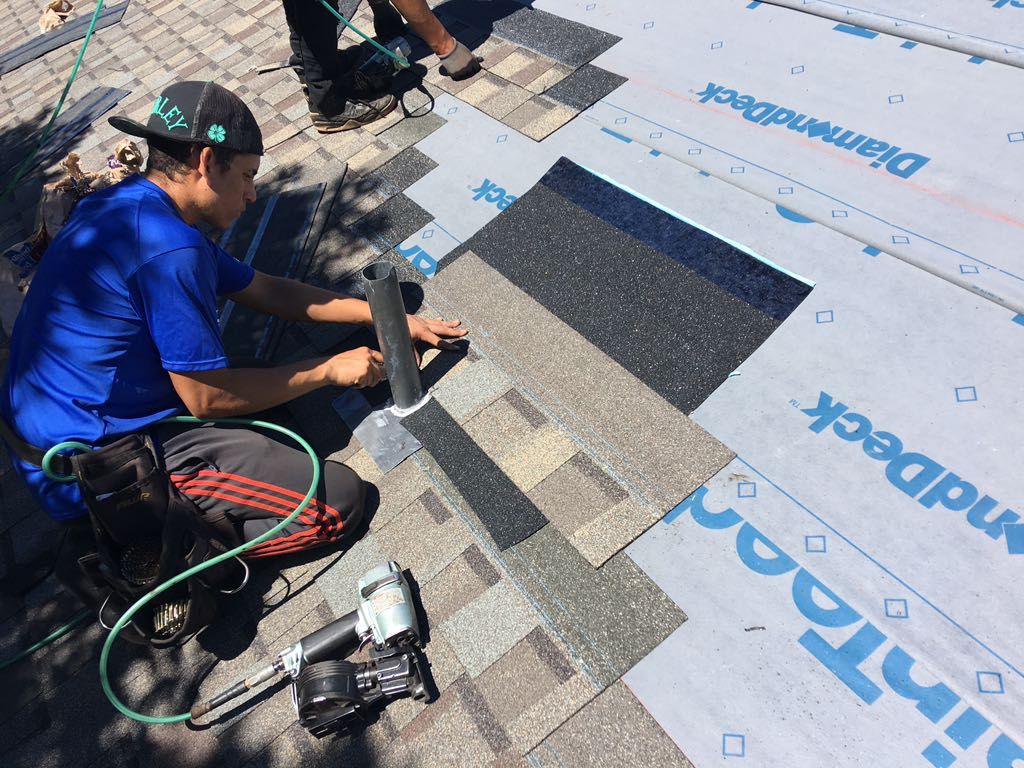
Can You Replace Single Shingles on Just One Slope?
It is one of the most common questions after a storm, and the answer is usually yes. Partial shingle replacement is the right call when the damage is isolated, recent, and easy to reach. A wind gust that peels three tabs off one slope is a repair, not a crisis. We look at the rest of the roof first, because a patch only lasts as long as the shingles around it.
Spot repairs usually work when:
- The damage covers one small area, and the rest of the slope stays flat and sealed
- The deck under the missing shingles is dry, with no soft spots or sagging
- Your shingles still hold their granules and lie flat in the sun
- Leftover bundles from the original install are on hand, or the product line is still made
- The leak has a clear, traceable source, such as one cracked tab or a lifted edge
When Replacing a Few Shingles Only Buys Time
Sometimes replacing a few shingles treats a symptom. If the same slope fails after every storm, the material is near the end of its service life, and each repair spends money that belongs in a replacement budget.
Watch for these signs:
- Granules collecting in the gutters after a hard rain
- Curling or cupping tabs on more than one slope
- Ceiling stains that return each winter, a common result of ice dams along the eaves
- Nail heads backing out, or shingles lifting where freeze-thaw swings have worked the seal loose
- Repairs in three or more separate spots in a single season
When several of these show up together, we say so plainly. Our roof repair team in St. Louis inspects the full roof before quoting, so you know if a patch is a real fix or a stopgap.
How a Spot Shingle Repair Works
A spot shingle repair is careful, methodical work, and most of the skill is in protecting the shingles you are keeping.
- Break the seal on the courses above the damage and lift the tabs gently, since warm shingles bend and cold ones crack
- Pull the nails holding the damaged shingle, plus the hidden nails in the course above it
- Remove the shingle, then check the deck and the underlayment for moisture before anything new goes down
- Slide the replacement into the gap, line it up with the course, and nail it in the same pattern as the originals
- Seal the lifted tabs back down and hand-seal the new edges so wind cannot catch them
Matching Shingles on an Older Roof
Color is the part people notice from the driveway. Sun fades asphalt over the years, so a new shingle often looks brighter at first and settles in over a season or two. Manufacturers also retire product lines, which is why we photograph the shingle during an inspection. When the original line is gone, a common fix is to pull matching shingles from a hidden slope and put the closest current match in that less visible spot.
What St. Louis Weather Does to a Patch
Our market sits in a high-frequency hail corridor, with hot, humid summers above 90 degrees and winters that bring ice storms and hard freeze-thaw swings. That mix is rough on a repair. The low-pitched ranch and split-level roofs common around Fenton shed water slowly, so ice sits along the eaves and leaf debris packs the valleys each fall. We confirm the jurisdiction before any work too, because St. Louis City and St. Louis County run separate building departments with their own permit processes, and your address decides which one applies. You can see the full scope of our residential roofing work and the communities we cover around St. Louis.
Doing It Yourself, or Calling a Roofer
The tools are simple. The risk is the roof itself: steep pitches, wet decking, and ladder work above a hard surface. A missed nail hole or a tab sealed in the wrong spot starts a slow leak that shows up months later on a bedroom ceiling. If the damage is high on the slope, near a chimney or valley, or anywhere you cannot see clearly from the ladder, let a crew handle it.
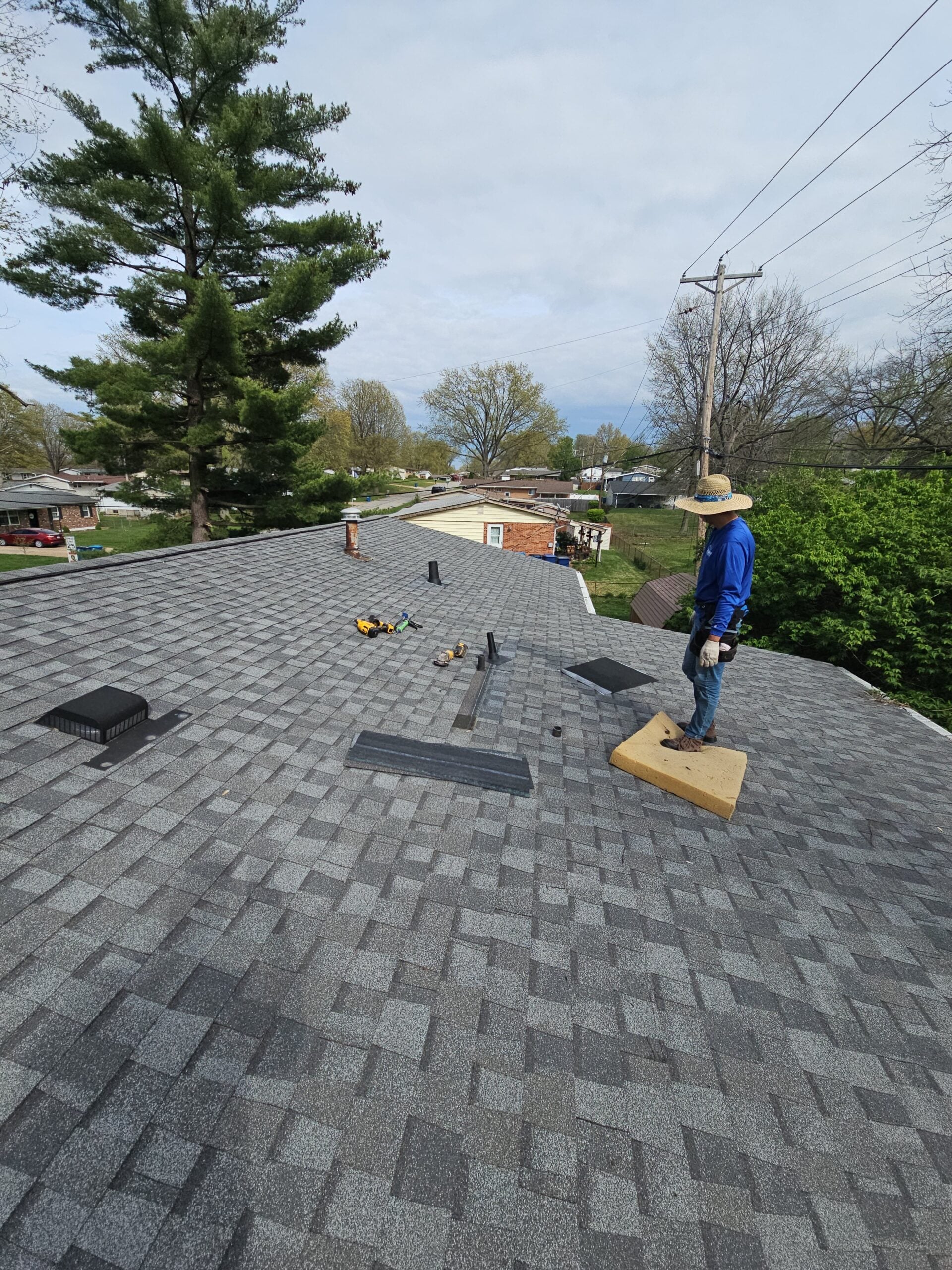
Get a Straight Answer Before You Patch
A small repair protects the whole house when it is done right and done early. Our team inspects the roof, photographs what we find, and tells you plainly if replacing individual shingles solves the problem or only delays a bigger bill. We back that up with free residential inspections, a digital analysis of what we find, licensed and insured crews, and a clean job site when we leave. Contact Tesson Roofing to schedule your free inspection.
Frequently Asked Questions
How much does it cost to replace a few shingles?
At Tesson Roofing & Exteriors, repair pricing follows the type of damage, the materials your roof uses, and how much of the slope we open up. Contact our team for a custom quote.
Do you charge for a roof inspection?
No. Tesson Roofing provides free residential inspections with a digital analysis, so you see photos of the damage and a clear recommendation before you spend anything.
Will the new shingles match my existing roof?
Sun fades asphalt over time, so a replacement tab can look brighter at first. It usually settles in within a season, and we photograph your shingle during the inspection.
Can shingles be replaced in winter?
Cold makes asphalt brittle and slows the sealant bond. Tesson Roofing schedules shingle repairs for warmer days when we can, and we hand-seal the tabs when temperatures stay low.
Should I replace a damaged shingle myself?
Walking a wet or steep roof is the real risk, and one missed nail hole starts a slow leak. Call Tesson Roofing & Exteriors if you see soft decking or feel unsafe on a ladder.