 800+ 5 Star Reviews


Commercial Roof Replacement Signs in St. Louis

Commercial roof replacement signs in St. Louis show up in ways you can see and measure. Ponding water, seam separation, membrane failure, and climbing energy bills all point toward one decision: is it time to replace instead of repair? We help St. Louis commercial property owners weigh that choice. Endless repairs drain your budget and distract from operations. A roof near the end of its life costs more to fix than to replace, and the risk of failure grows with every patch. Our team walks you through the signs, the costs, and the timeline so you make the decision that protects your building and your bottom line.
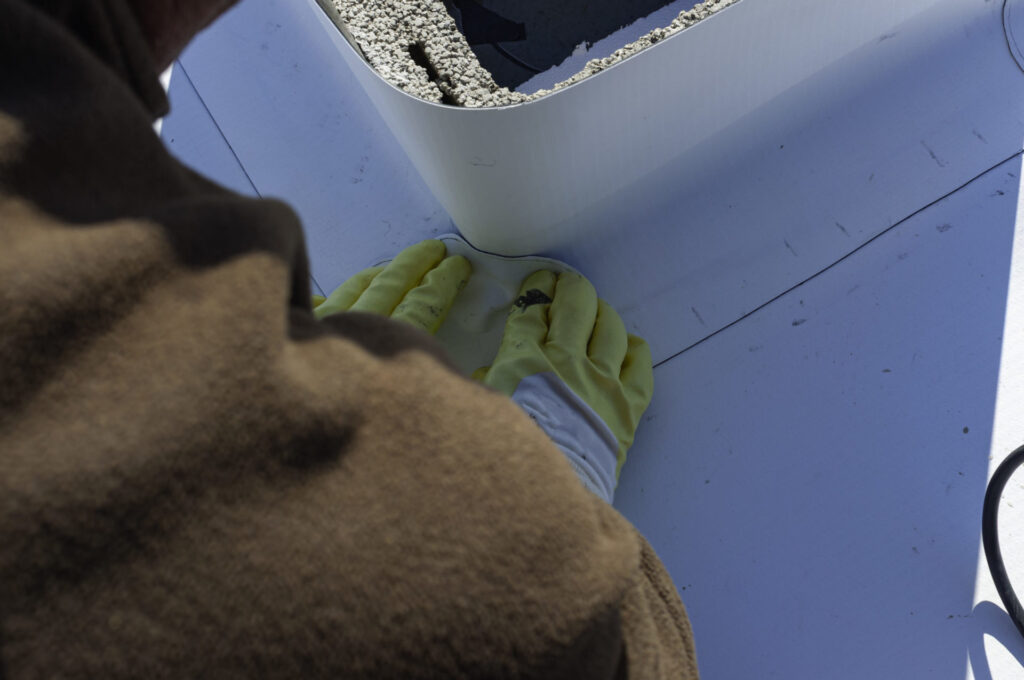
Signs Your Commercial Roof Needs Replacement
- Ponding water and membrane deterioration signal structural and waterproofing failure
- Seam separation, blistering, and wrinkles indicate approaching end of life
- Energy bills rising steadily suggest thermal integrity loss and coating breakdown
- Repair costs climbing above 50% of replacement cost make replacement the smart choice
- Licensed commercial roof inspections with drone and thermal imaging reveal hidden damage
The Five Major Warning Signs
Ponding Water and Water Damage
Ponding water sits on your flat or low-slope roof after rain, sometimes for days. It signals either a structural sag or poor drainage design. Standing water destroys membranes, accelerates rot, and creates conditions for algae and mold. When ponding persists even after repairs, the roof structure itself may be compromised. That is a replacement-level issue, not a repair.
Membrane Failure and Seam Separation
Flat roof membranes, whether TPO, EPDM, or asphalt, break down over time. Seams separate as materials shrink and expand with temperature. Blistering bubbles form as moisture penetrates the membrane. Once cracks reach the substrate, water damage accelerates inside the building. A patch may buy time, but a failing membrane is asking to be replaced.
Rising Energy Bills
Your roof's reflective coating protects against solar heat. As coatings age, they lose reflectivity. Your HVAC runs harder to keep indoor spaces cool. Bills climb steadily year over year. New reflective coatings help, but if the underlying membrane is failing or if seals are broken, energy loss continues. A replacement with a high-performance roof system, including modern coatings, restores efficiency and cuts ongoing operating costs.
Repair Costs Approaching 50% of Replacement
Every leak repair is a bill, and on an aging roof the leaks rarely stop at one. A few in one season, another the next summer, and the bills keep coming. When your annual repair budget approaches half the cost of a full commercial roof replacement, the math is clear. A new roof spreads its cost over many years of service. Repairs are short-term spending that adds up fast.
Age and Material Degradation
Most commercial roofing systems last 15 to 25 years depending on material and climate. In St. Louis, UV exposure, ice loads, and thermal cycling all shorten that window. If your roof was installed 15+ years ago, schedule a roof inspection now. Material degradation accelerates near the end of its lifespan. Catching it before catastrophic failure saves you emergency repairs and business disruption.
Make the Right Call on Commercial Roof Replacement
Replacement is not always the answer, but when repair costs climb, membrane failure spreads, and energy bills rise, it usually is. The difference between a failing repair and a smart replacement comes down to honest inspection and clear numbers.
If your roof is showing signs of age or damage, schedule an inspection. Our team inspects your roof with drone and thermal imaging, finds visible and hidden damage, and gives you a transparent quote. Then we help you decide: repair, coat, or replace.

Frequently Asked Questions
How do I know if my roof is at end of life?
End-of-life roofs show multiple warning signs at once: blistering, seam separation, ponding, discoloration, and rising energy bills. A professional inspection with thermal imaging and drone imaging reveals the true condition. We use thermal imaging to find moisture hidden under the membrane and drone photography to assess the full roof surface without guesswork.
Is roof coating a better option than replacement?
A coating goes over a sound membrane, so you get more years out of the roof you already own and lower cooling loads in the summer. If your membrane is still intact and seams are sound, coating is a smart investment. If the membrane is failing, seams are separating, or ponding is severe, coating masks the problem temporarily. Replacement solves it permanently.
How long does a commercial roof replacement take?
It depends on the size of the roof, the system being installed, and the weather. You get a clear timeline upfront, and we keep communication steady at every stage. Planning ahead avoids emergency downtime and business interruption.
What affects the cost of commercial roof replacement in St. Louis?
Costs depend on roof size, material choice (TPO, EPDM, asphalt, metal), slope, drainage requirements, and structural repairs. After the inspection, you get upfront pricing in a written estimate with no hidden fees.